Sprawl
The concept of the “Suburban Dream” was sold as an escape from the city into more spacious living conditions. However, in its actualization, it has become a landscape of uniform buildings and repeated landmarks. The dense urban core of cities gave way to a network of sprawling roads, single-family homes, and shopping centers.
My work documents these nondescript, repeated places to highlight the growing crisis of personal connection. The American environment has developed in a way that has transformed once-unique spaces into what anthropologist Marc Augé calls “non–places.” Commercial zones and transitory spaces so ubiquitous that any sense of individuality or cultural significance is lost. Within this work I aim to expose the unnatural beauty within the banal nature of these spaces that often go overlooked.
My process is intentionally slow. Working in a mix of large and medium format film, I am required to spend more time than most would in these places. I gain a different perspective of my subject matter by traveling to these places on foot, which are within a quarter mile of my home. When I go out to photograph, I encounter the stark reality of a world developed for cars, often at the expense of human safety and social cohesion. We have traded our communal connections for expediency and isolation during the commute. My photographs in this series serve as a visual documentary of the placelessness that has begun to define modern existence. They capture a world where the infrastructure, designed to move us forward, has only begun to leave us more isolated from one another than ever before.

38°57'54.4"N 77°06'15.7"W
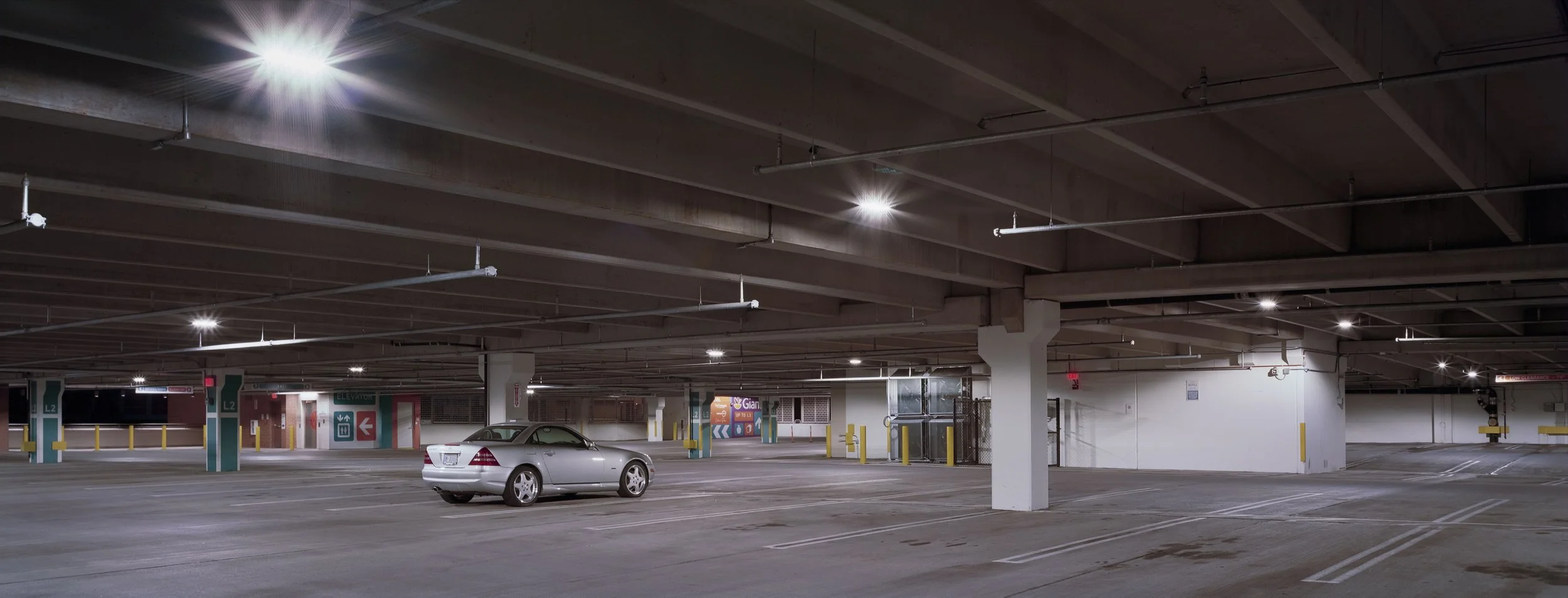
38°57'46.9"N 77°06'26.2"W
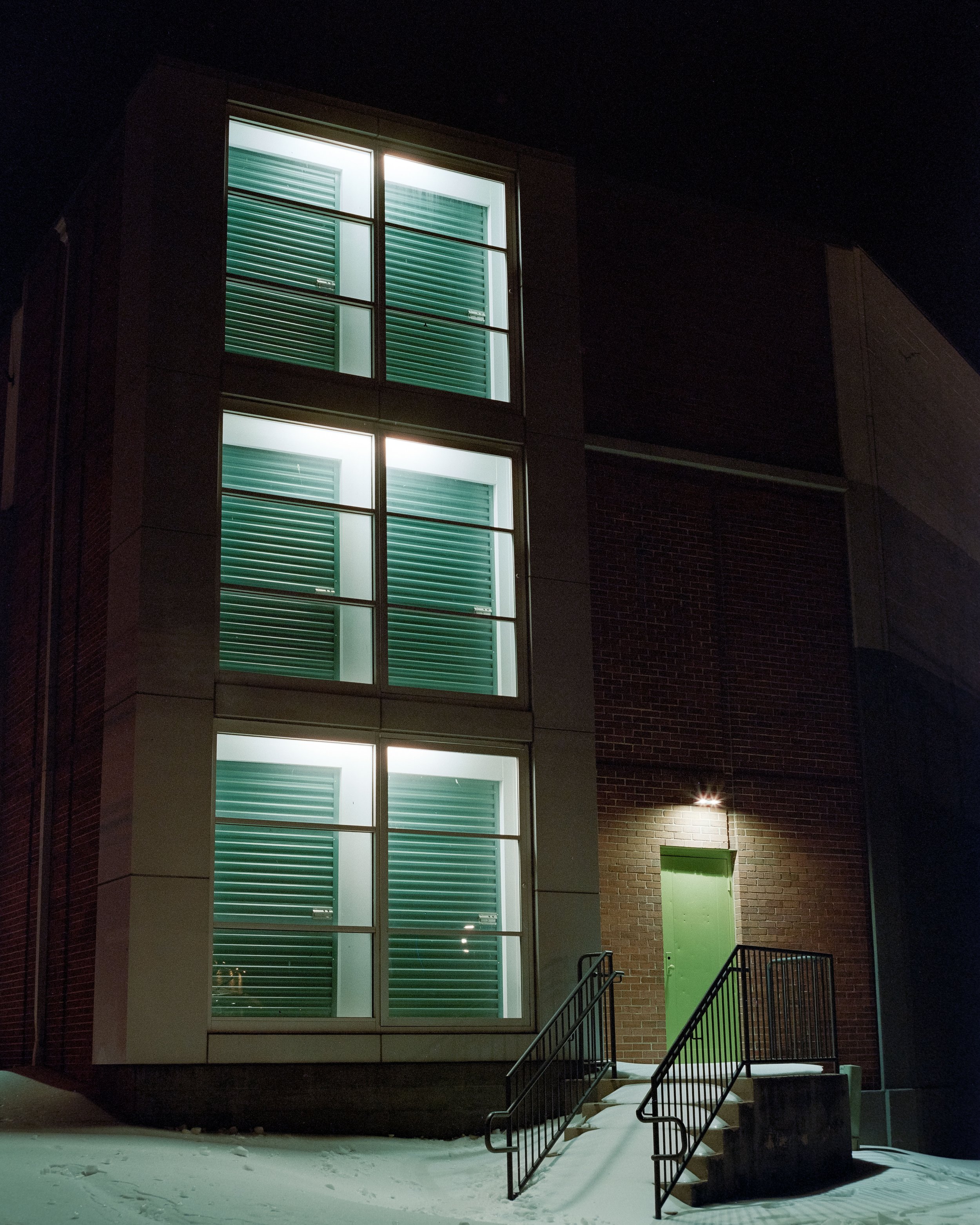
38°57'52.2"N 77°06'12.7"W

38°57'58.2"N 77°06'20.9"W

38°57'52.8"N 77°06'29.1"W
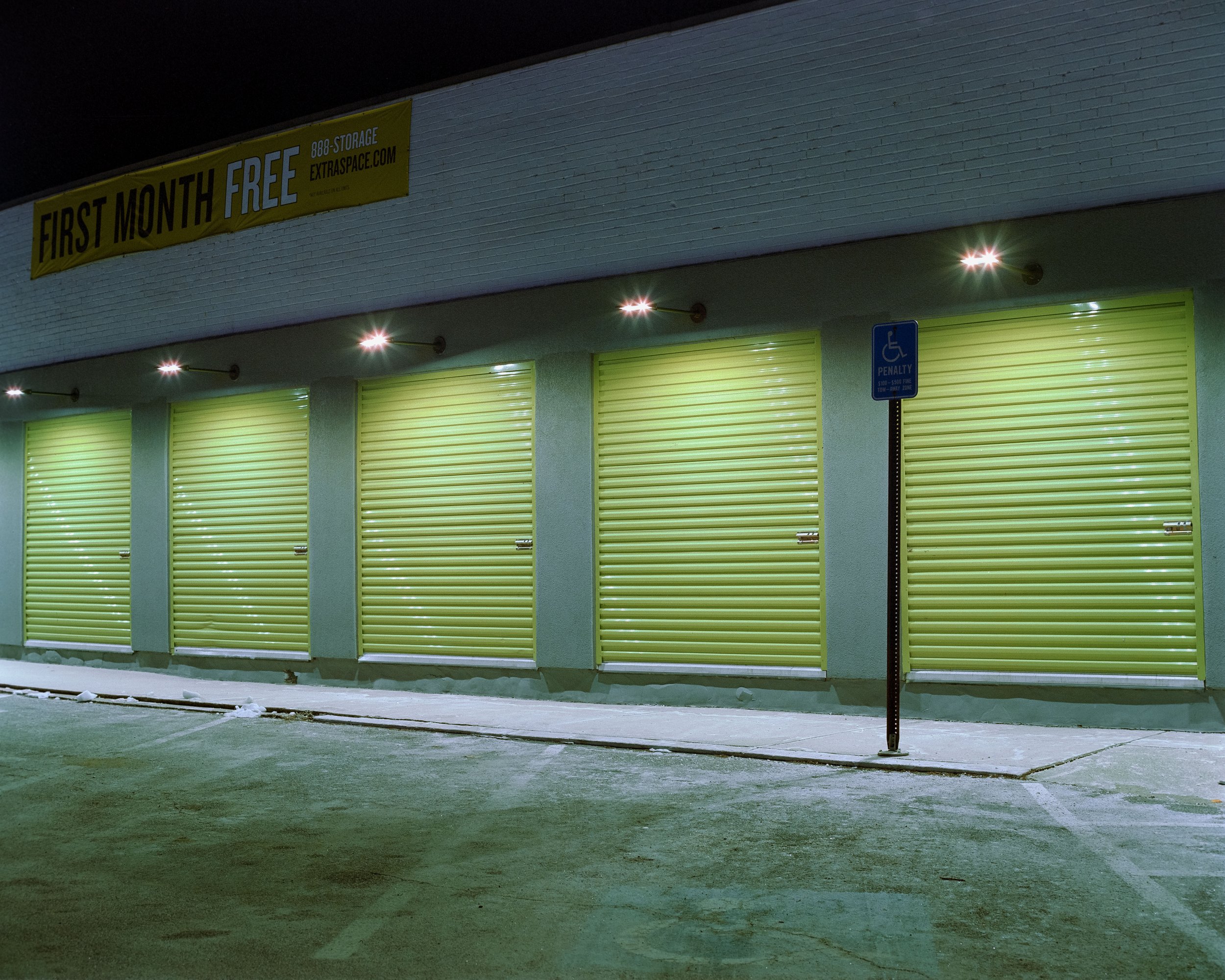
38°57'50.5"N 77°06'10.1"W
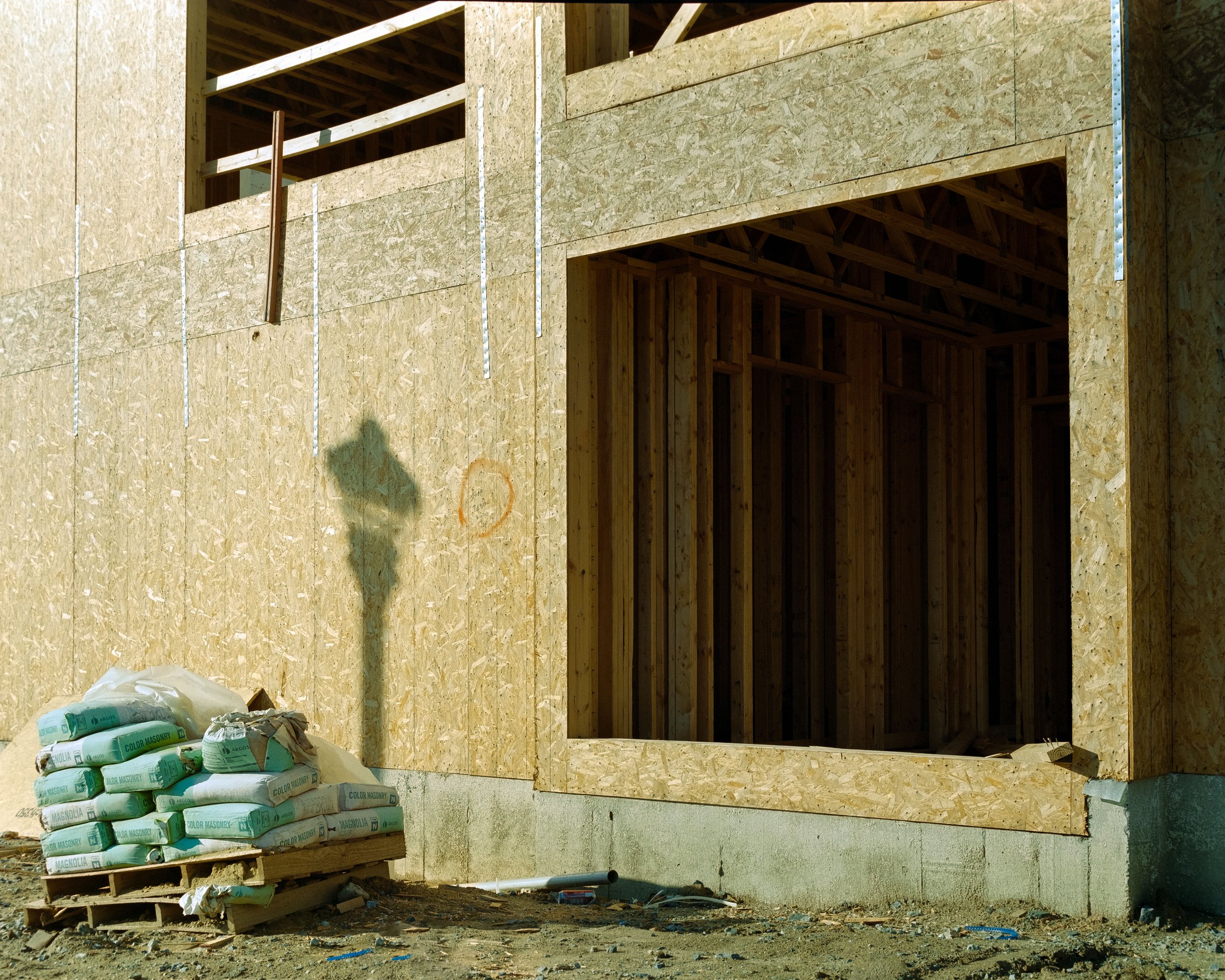
38°57'52.7"N 77°06'29.0"W

38°57'53.9"N 77°06'29.6"W
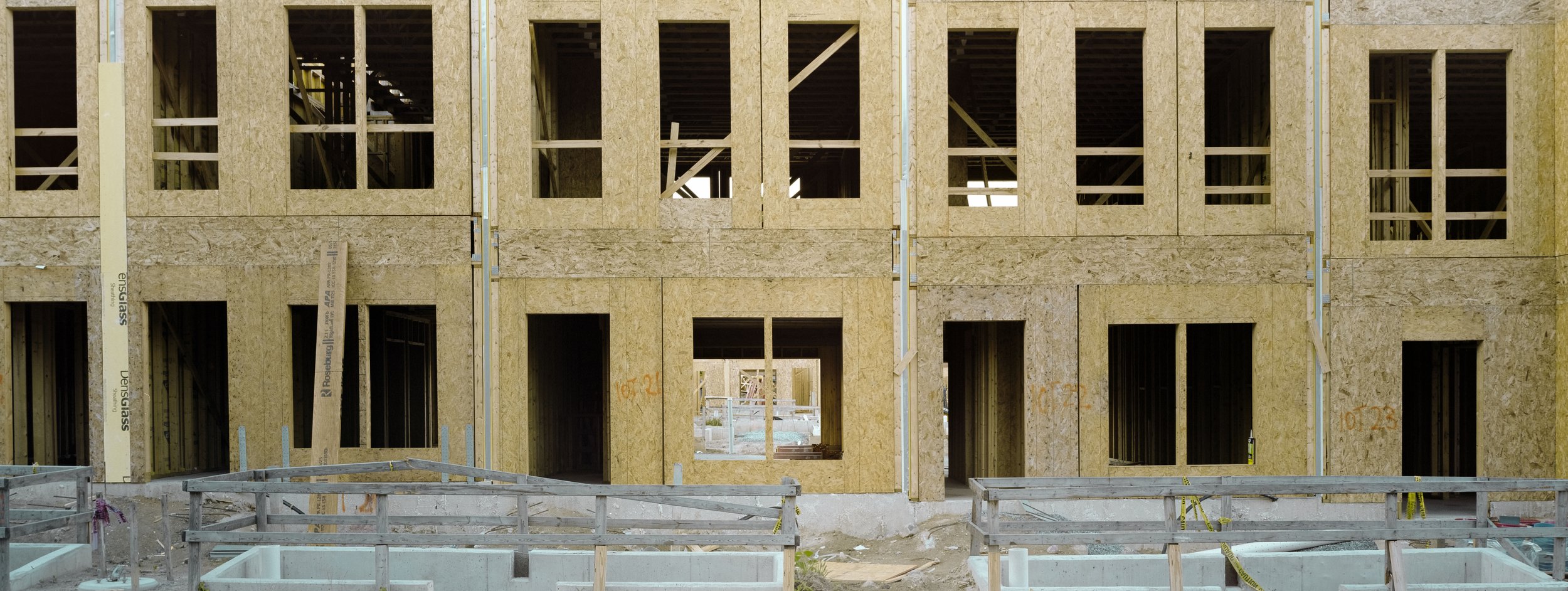
38°57'50.4"N 77°06'29.4"W